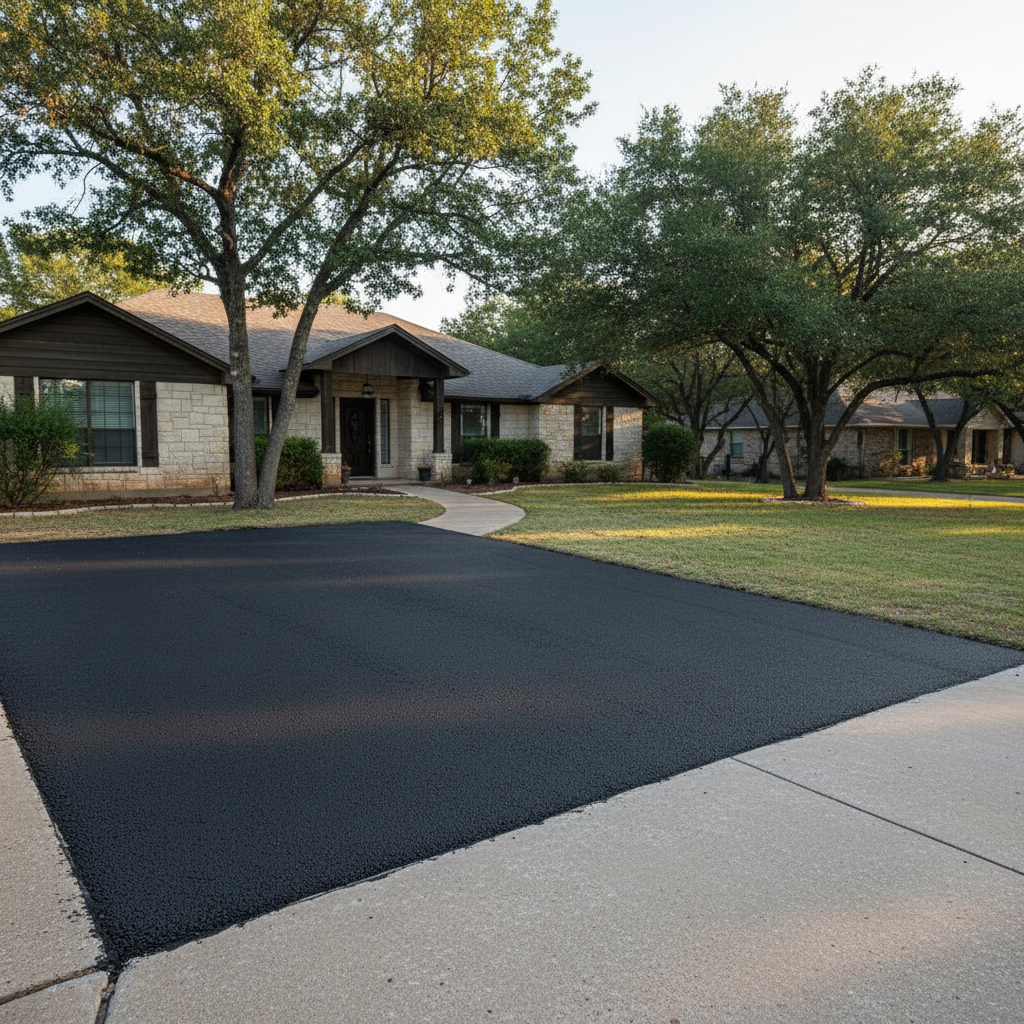
So, you've got some cracks, maybe a few potholes, or an asphalt driveway or parking lot section that's just seen better days. It happens, especially with our Texas heat and those sudden, heavy rains we get. You're probably wondering, "What's this going to set me back?"
It's not a simple flat rate per square foot, unfortunately. But I can definitely give you a good idea of what drives the price and what to expect when you call a local contractor like Marble Falls Asphalt Solutions.
What Makes Asphalt Patching Prices Go Up or Down?
A few big things really determine the final bill. Knowing these will help you understand any quote you get.
- The Size and How Deep the Damage Goes: This one's pretty obvious, right? A small, shallow pothole will cost less to fix than a big, deep section that's completely failed. We're talking about how much material and labor we'll need.
- The Patching Method We Use: Not all patches are created equal, you know.
- Skin Patching (Surface Patch): This is for minor surface cracks or really shallow dips. We clean the area, put down a tack coat, and then lay a thin layer of hot mix asphalt on top. It's the cheapest way to go, but it's also the least durable for anything more than minor damage. Think of it as a temporary bandage.
- Dig-Out Patching (Full-Depth Repair): This is the best way to handle potholes and seriously damaged spots. We cut out the entire failed section, dig down to a stable base, make sure water drains properly, add new aggregate if it's needed, then compact everything and lay fresh hot mix asphalt. It takes more work and more material, so it costs more, but it lasts a lot longer.
- Infrared Patching: This is a pretty neat trick for certain kinds of damage. We heat the existing asphalt, rake it out, add a little new material, and then compact it. The repair ends up looking seamless. It usually sits somewhere between skin patching and dig-out in terms of cost and how long it lasts, depending on how much repair is actually needed.
- Accessibility: Can we easily get our equipment to the damaged area? If it's tucked away in a tight spot, or if we have to work around a bunch of landscaping or parked cars, that can add to the labor time — and, naturally, the cost.
- Current Asphalt Prices: The cost of asphalt materials changes. It's a petroleum product, so when oil prices climb, so does asphalt. We don't control that, but it absolutely affects your quote.
- Site Preparation: Sometimes, we need to do more than just cut out the bad stuff. If poor drainage is causing the problem, or if the sub-base is completely shot, that's extra work. For instance, if your property is on that expansive clay soil we have around Marble Falls, and it's caused significant sub-base movement, we might need to stabilize it before we even think about patching.
Typical Cost Ranges for Asphalt Patching in Marble Falls
Alright, let's talk some numbers. Just remember, these are estimates, and we really need to see the job to give you an accurate quote.
- Small Potholes (1-2 sq ft, shallow): For a simple skin patch, you might be looking at $150 - $300 per pothole. If it needs a full dig-out, it could jump to $300 - $500, especially if it's deeper.
- Medium Areas (5-10 sq ft, full-depth): For a full-depth repair on an area this size, you're probably in the $400 - $800 range. This covers the cutting, digging, materials, and compaction.
- Larger Areas (20-50 sq ft, full-depth): For more extensive damage, like a section of a driveway or a few connected potholes, expect to pay anywhere from $700 to $1,500 or more. The cost per square foot tends to drop a bit as the job gets bigger, since we're already set up on site.
- Infrared Patching: This can run from $250 for a small spot up to $800+ for larger sections, depending on how complex it is.
Most contractors will have a minimum charge for any patching job, often in the $300-$500 range. Why? Because it takes time to get a crew and equipment mobilized, even for a tiny repair.
What's Included in a Good Quote?
When you get a quote from Marble Falls Asphalt Solutions, or any reputable contractor for that matter, it should be super clear about what you're paying for. Here's what you should expect:
- Site Inspection: A good contractor will come out and actually look at the damage in person.
- Preparation: This means cleaning the area, cutting out the damaged asphalt (for dig-out patches), and making sure the sub-base is solid.
- Materials: The cost of hot mix asphalt, tack coat, and any aggregate we need.
- Labor: The crew's time on site.
- Equipment: Using saws, compactors, asphalt pavers, and all that good stuff.
- Disposal: Hauling away the old asphalt debris.
- Cleanup: Leaving your property tidy, of course.
Always ask if the quote includes all these steps. You definitely don't want hidden fees popping up later, do you?
How to Avoid Overpaying for Asphalt Patching
It's your money, so be smart about it.
- Get Multiple Quotes: Don't just go with the first guy you call. Get at least two or three detailed quotes. This helps you compare apples to apples and really understand the going rate.
- Ask for Details: Make sure each quote clearly states the patching method they'll use (skin, dig-out, infrared), how deep the repair will be, and what materials they're planning to use.
- Check References and Reviews: A good contractor will have plenty of happy customers.
- Don't Wait: Small cracks turn into big potholes fast, especially with our freeze-thaw cycles and all the vehicle traffic. Fixing issues early almost always saves you money in the long run. A small crack seal today can prevent a full-depth patch tomorrow, believe me.
- Understand the Warranty: Ask about any guarantees on their work.
Patching is a critical part of keeping your asphalt in good shape. Do it right, and you'll significantly extend the life of your pavement. Do it cheap and wrong, and you'll be paying to fix that same spot again sooner than you think.