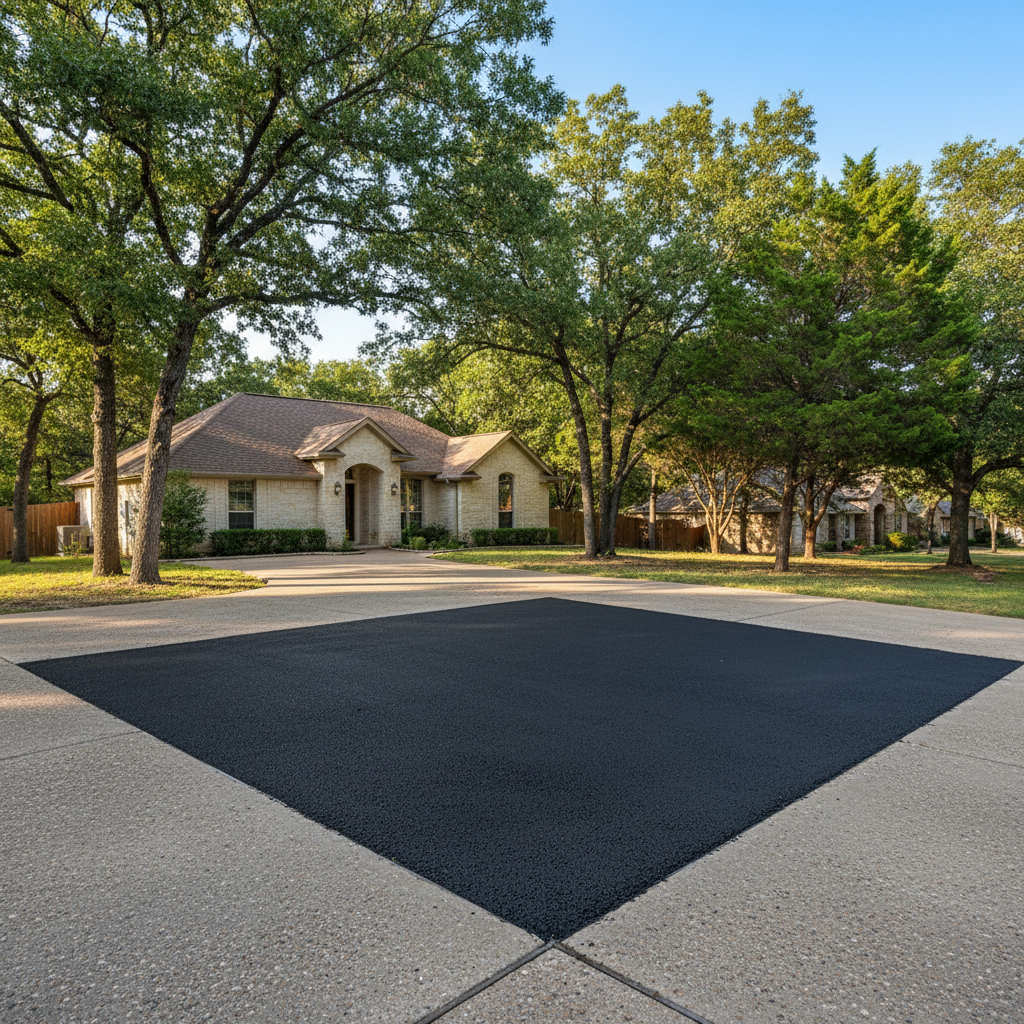
Got a pothole? Maybe a crack that just keeps getting wider? You know you need to patch your asphalt, but honestly, where do you even begin? I've watched a lot of folks right here in Marble Falls make some pretty common blunders when it comes to asphalt patching, and I really want to help you steer clear of them. It's not just about finding a good deal, you know; it's about getting a job done right, one that actually lasts.
Mistake #1: Not Figuring Out *Why* the Damage Happened
This one's huge. You spot a pothole, and your first thought is probably, "Gotta fill that thing." Fair enough. But stop for a second: why is that pothole even there? Is the drainage bad? Is the subgrade weak? Or is it just plain old age and maybe a bit of neglect? If you only patch the symptom without fixing the real problem, that pothole will be back. Probably sooner than you'd like, too. I've seen patches fall apart in just a few months because the underlying issue — like water pooling in a specific spot after a big Hill Country rain — wasn't dealt with first. A good contractor will dig into these questions and find the root cause, not just slap a band-aid on it.
Mistake #2: Picking the Cheapest Bid Without Asking Questions
Everyone wants to save a buck, I totally get that. But when it comes to asphalt patching, the cheapest bid often ends up costing you more in the long run. I'm not saying you need to empty your wallet, but you absolutely have to understand what you're paying for. Ask about the materials they're using. Are they planning to use cold patch for what should be a permanent repair? That's a definite red flag. Cold patch is for temporary fixes, like getting you through winter until a proper hot mix can be put down. Are they prepping the area correctly? Will they cut out the damaged section cleanly, or just dump material on top? If a bid looks too good to be true, it probably is. You'll just end up paying twice when that cheap patch fails.
Mistake #3: Not Knowing About Different Patching Methods
There's more than one way to patch asphalt, and frankly, not every method works for every kind of damage. Here's a quick rundown of what you should probably know:
- Skin Patching: This is basically just putting a thin layer of new asphalt over the damaged area. It's fast and cheap, but it's rarely a long-term fix. It often gives out quickly because it doesn't really address the structural issues underneath.
- Throw-and-Roll: Exactly what it sounds like – they throw cold patch into a hole and then drive over it. Again, temporary. Don't expect this one to stick around for long.
- Cut and Patch (Full-Depth Repair): This is the best way to handle potholes and localized failures. We cut out the damaged section, dig down to a stable base, fix the subgrade if it needs it, and then lay new hot asphalt. If done right, this is a permanent repair.
- Infrared Patching: This method uses infrared heat to soften the existing asphalt around the damaged spot. This lets them rake it, blend it with new material, and then re-compact it. It's efficient and makes for a really smooth repair.
If a contractor doesn't explain which method they plan to use and why, or if they only offer a "quick fix" for a big problem, that's a sign they might not be the right choice. You want someone who actually understands the science behind it, right?
Mistake #4: Skipping Proper Compaction Checks
Once new asphalt goes down, it absolutely has to be compacted correctly. This is super important for how long it'll last. If it's not compacted enough, it'll stay soft, get ruts easily, and won't hold up. But if it's over-compacted, it can crack. A pro will use the right tools – a vibratory roller for bigger spots or a plate compactor for smaller patches – and know how to use them. If they're just stomping on it with their boots or using a hand tamper on a decent-sized patch, well, you've got a problem. The soil around here, especially that clay, needs a good, solid base and proper compaction on top to handle our crazy weather swings.
Mistake #5: Forgetting About Drainage
Water is asphalt's arch-nemesis. I cannot emphasize this enough. If your patching project doesn't think about how water will drain off the repaired area, you're just setting yourself up for future headaches. Potholes often pop up where water tends to collect. When we do a patch, we're always considering the grade, making sure water flows away from the repair. If your contractor isn't talking about drainage, make sure you ask them. It's a fundamental part of any asphalt work that's meant to last, whether it's a tiny patch or a whole new driveway.
Look, patching isn't rocket science, but there's definitely a right way and a wrong way to go about it. You want a repair that's going to stand up to the Marble Falls sun and our occasional torrential downpours. Here at Marble Falls Asphalt Solutions, we really pride ourselves on doing the job right the first time. So, don't throw your money away on a temporary fix; invest in a repair that actually lasts.